I've been building Auralux — a full-screen audio-reactive visualizer meant for a phone propped on a charger stand, turning whatever's playing in the room into light. It's grown into forty-one visualizers across seven switchable packs — a run through the '60s liquid light show, '70s mirror balls, '80s VHS tracking artifacts, '90s screensavers, plus a Nature pack and a deliberately quiet Ambient one — every setting tunable on the device, installable straight to the home screen. Not a work project. Just something I wanted to exist, built mostly in conversation with Claude Code.
I'll be honest about why: I like cool, colorful, glowy things. That's really the whole pitch. There's no clever trick under the hood here I'm trying to get credit for, and the implementation isn't doing anything special. What I think is actually worth sharing is the idea itself, and that I let myself spend real time on something whose entire purpose is "look at this, isn't that nice."
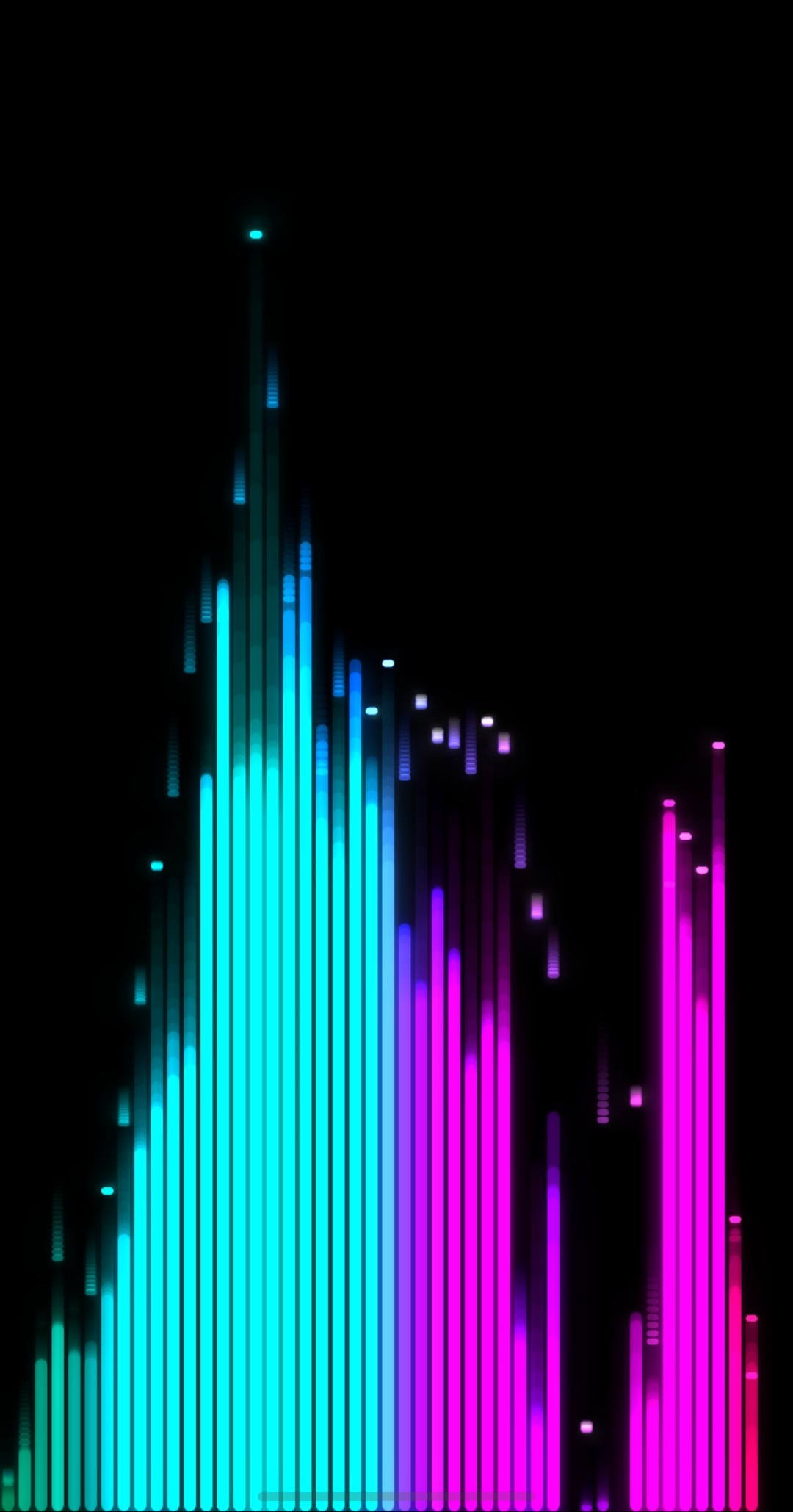
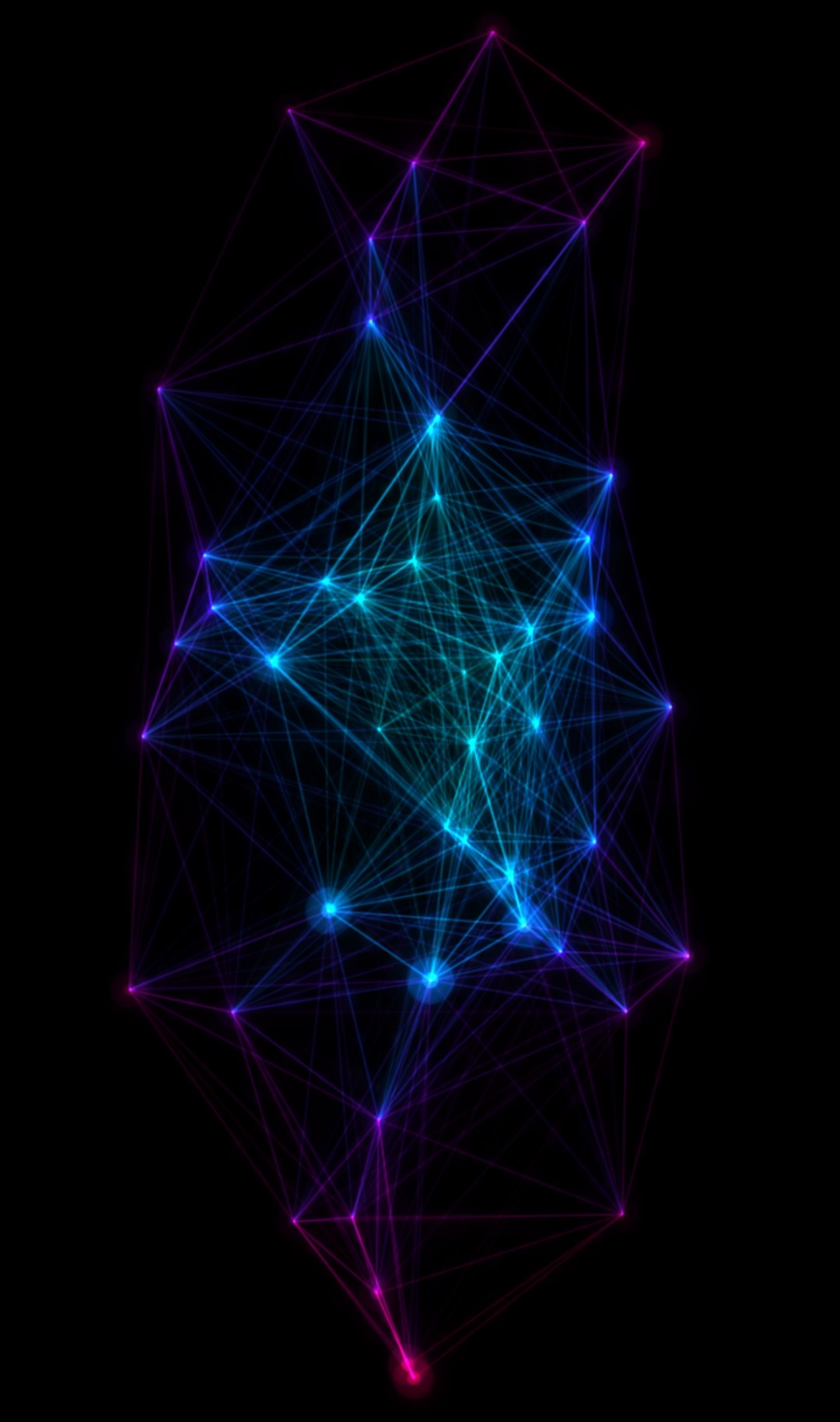
If there's one decision in Auralux I'm genuinely proud of, it isn't in the audio engine or the rendering pipeline — it's the menu. Most apps treat the settings panel as a chore: a flat list of controls bolted onto the fun part. I didn't want that here. The menu is part of the experience, so it had to be just as enjoyable to look at and use as the visuals it's controlling — the same care in the colors and the layout, not a utilitarian afterthought wearing a different stylesheet.
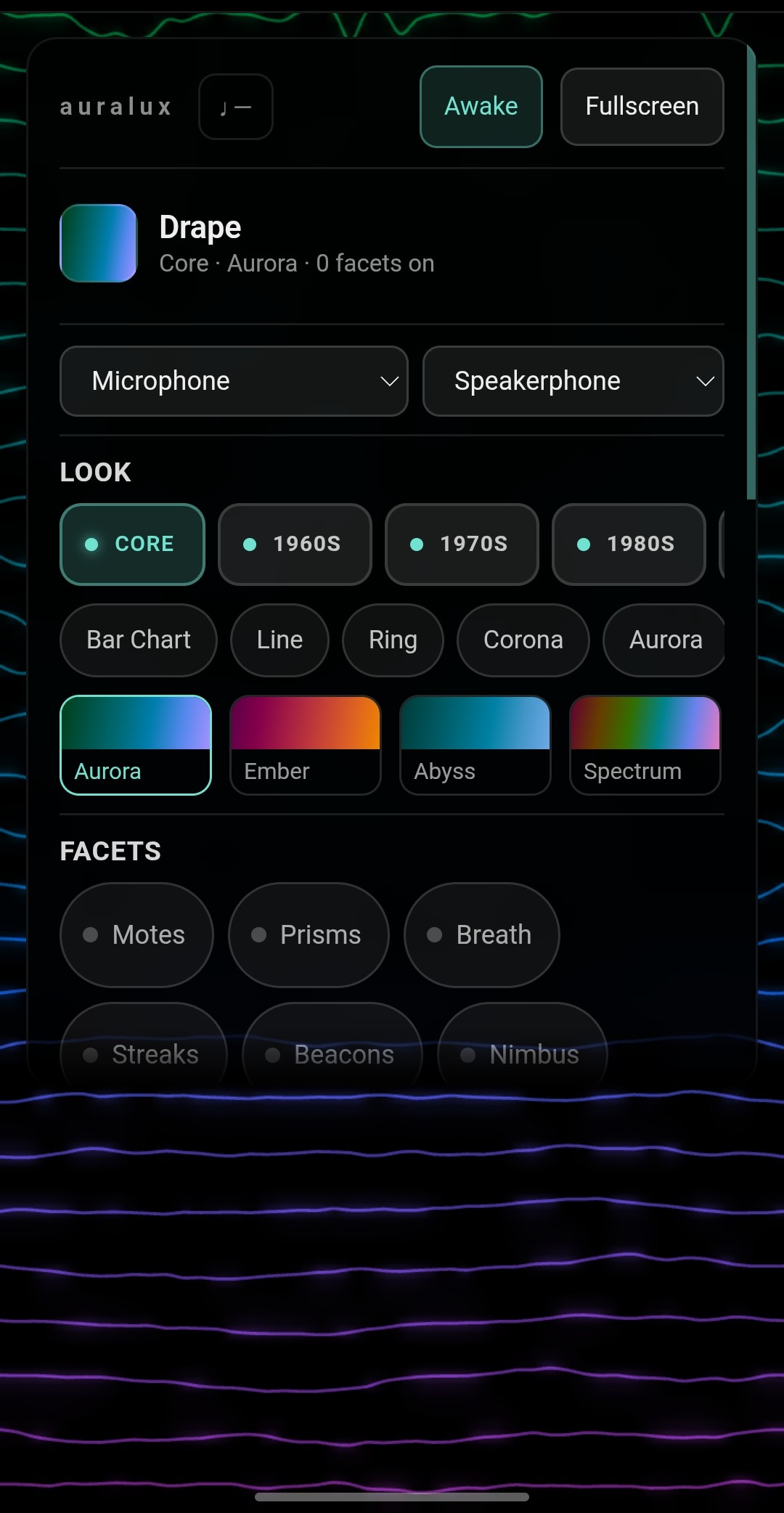
It's live at auralux-viz.vercel.app if you want to point it at some music and see for yourself.